4-Way Shuttle System at LogiMAT

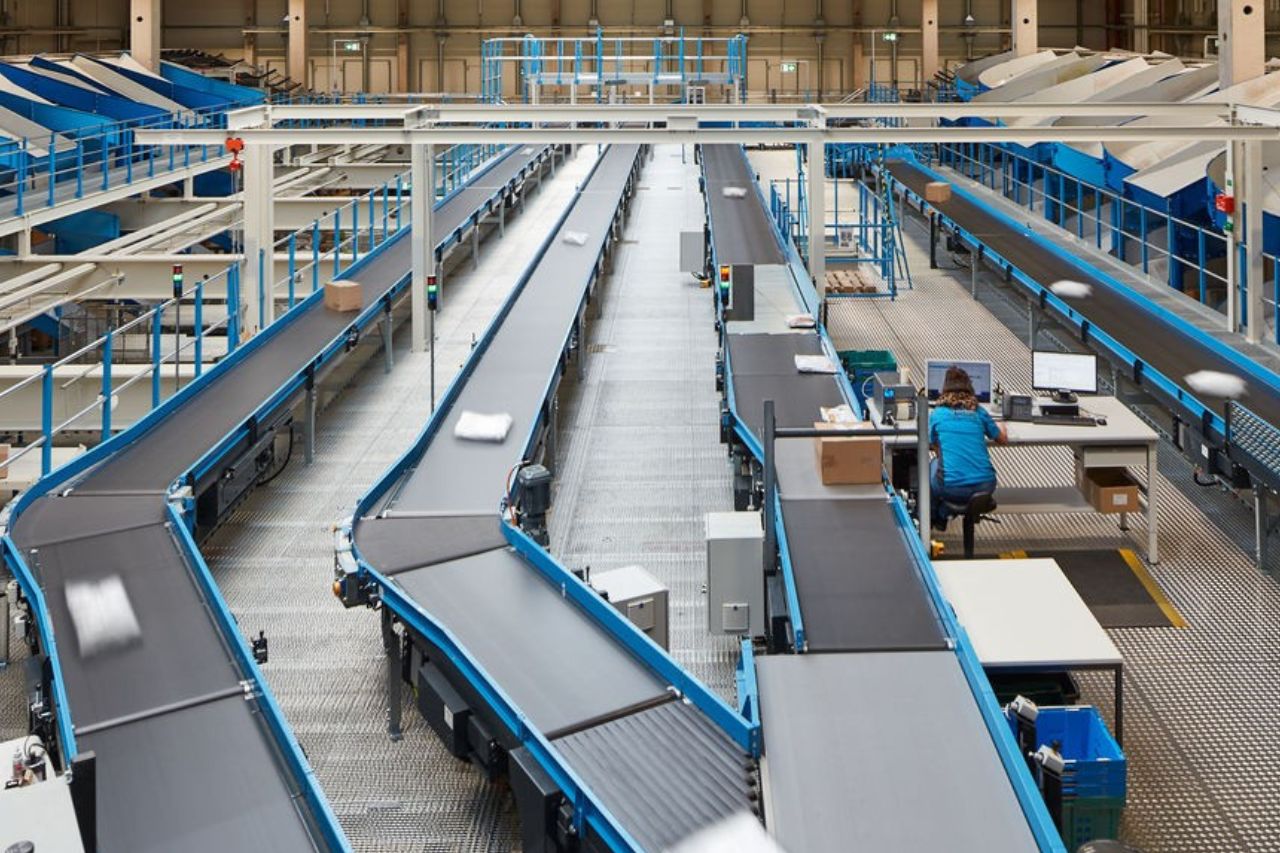
ZS Robotics, specialists in smart intralogistics, will showcase its 4-way shuttle system – a solution validated through over 200 diverse projects across more than ten countries and regions, at the LogiMAT 2026 from Mar 24 to 26 in Germany.

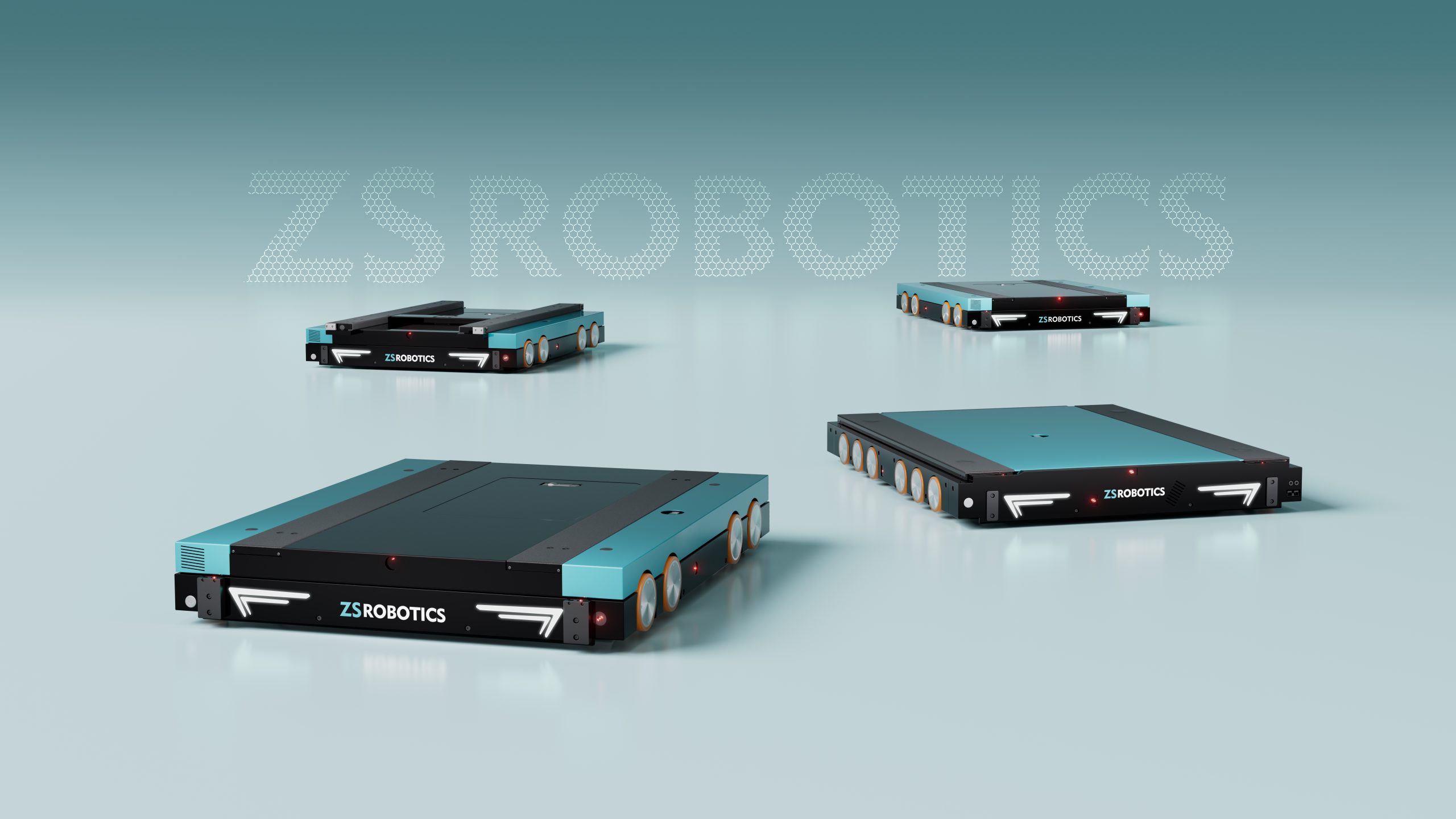
Highlights of its portfolio include the H125 shuttle, claimed to be the world’s first 20-wheeled 4-way pallet shuttle, which offers exceptional stability, enhanced battery life, and flexibility. The company aims to empower warehouses across various industries in Europe and the United States with more mature solutions, making intralogistics safer and easier to use.

ZS Robotics says it has a plan to establish a subsidiary in the Netherlands in the second half of this year,
providing timely and comprehensive support to European clients. With over 200 successful project implementations across the globe, the company has sharpened its edge in 4-way shuttle warehouse automation solutions tailored to diverse environments and product types across industries such as food, pharmaceuticals, cold chain, retail, energy, manufacturing, and 3PL. The solutions are aligned with the global push for safer, greener, and more efficient industrial practices amid intensifying space and labour shortages.

“At ZS Robotics, our focus is singular: to solve the last 0.01% of challenges in the deployment and operation of automated warehousing projects using our four-way shuttle technology, relentlessly refining our products to achieve genuine safety and ease of use in warehousing,” said Gianni Girolami, Sales Director, Europe, at ZS Robotics.

ZS Robotics’ technology is reliably applied in over 1,000 4-way shuttles deployed across the globe, serving clients from Mainland China, Hong Kong, Taiwan, as well as Japan, South Korea, Southeast Asia, and Latin America. These systems, leveraging key innovations including a cold chain camera system, and advanced cluster scheduling, have effectively eased installation and maintenance, enhance safety and ease of use.

“We aim to solve the warehousing challenges of customers across various industries as comprehensively as possible with a more complete, integrated hardware and software product portfolio,” Girolami stated, emphasising that ZS Robotics has obtained multiple safety compliance certifications, including EU CE. “We don’t just deliver technology. We empower our customers to master it.”

ZS Robotics’ key exhibits will be H150 shuttle and its self-developed ZSmart Intelligent Platform (including
WCS, WMS, RCS, and control terminals). The company will also highlight the H125 shuttle and the Single-
Position Lift.

  • The H125 Shuttle: A lightweight and more powerful 4-way shuttle, and industry-unique 20-wheel
    model. Despite its compact size (L1106×W940×H125mm), it delivers a powerful 1,500 kg load
    capacity, ensuring exceptional stability and durability in warehouse operations.
  • The H150 Shuttle: A mature and highly reliable workhorse, extensively validated across numerous
    projects for its robust performance.
  • Single-Position Lift: A space-efficient in-rack lift that occupies only a single storage position,
    regardless of location, significantly increasing overall warehouse storage density without layout
    constraints.
  • ZSmart Intelligent Platform: An integrated software suite (including WMS, WCS, and RCS) that
    leverages advanced algorithms to optimise warehouse efficiency and provide a user-friendly
    interface for seamless operations.
Belt and Braces for Conveying Tech

Peter MacLeod speaks to an expert about how belting technology is evolving under pressure from energy costs, sustainability targets and shifting investment patterns.

The past few years have tested the logistics sector, particularly in Europe. Pointing to geopolitical instability, economic uncertainty and reduced investment by major players, Sascha Goly, Global Business Development Manager at Forbo Movement Systems, says: “Especially in the last three or four years, it was not easy. It was difficult years.”

Speaking exclusively to Logistics Business, he adds: “The big companies were not investing at all, especially Amazon. They were going to the sky during Covid, and after Covid, since all the normal stores are opening again, they were not investing that much.” While this slowdown affected suppliers across the industry, Forbo’s diversified presence in food processing and industrial production helped to cushion the impact.

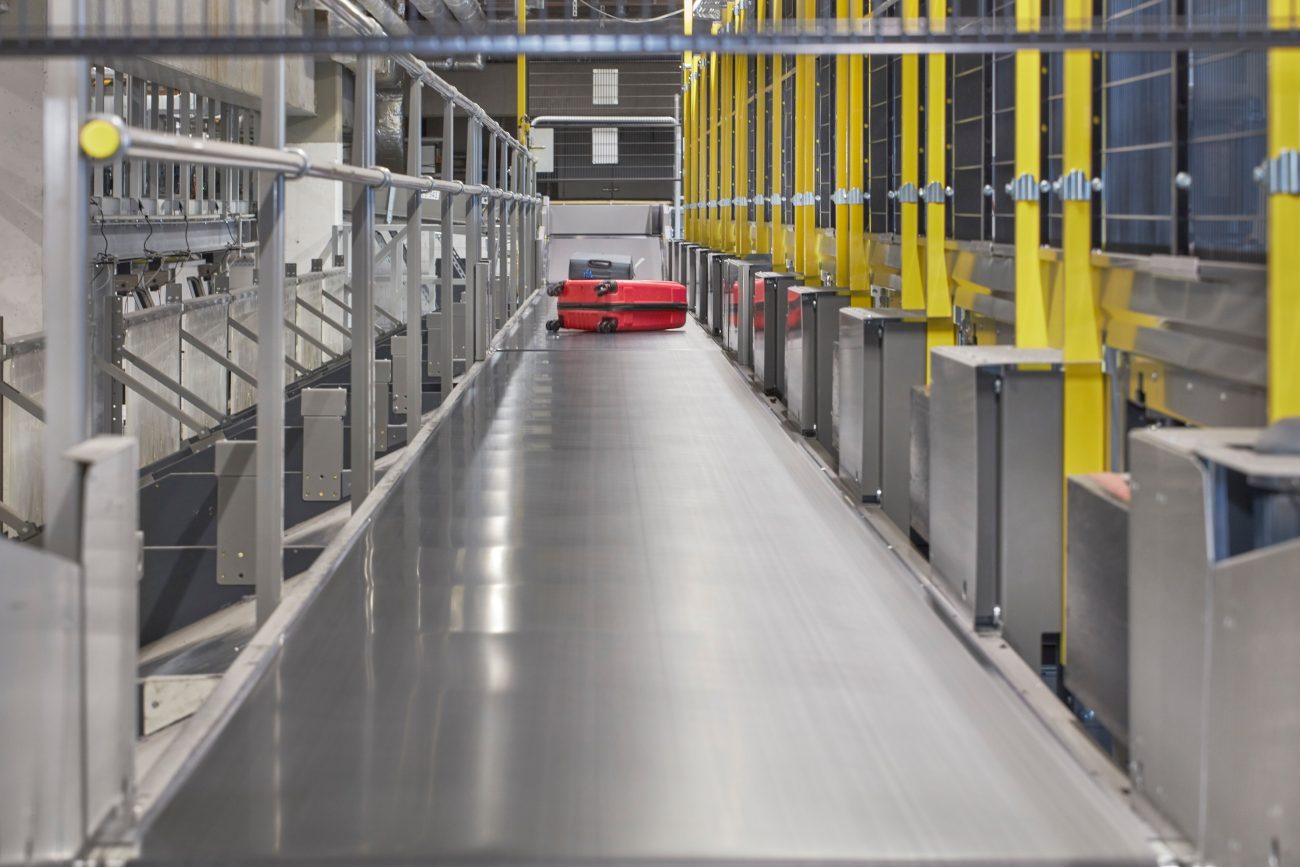
Despite this, Goly is clear that momentum is returning. “We see light at the end of the tunnel,” he said. E-commerce and parcel logistics are beginning to ramp up again, with companies such as FedEx, UPS, DHL and Amazon re-entering the tendering process, albeit at a more measured pace than during the pandemic. Airports, however, represent the most dynamic growth opportunity. While Europe remains relatively quiet, Goly highlighted strong expansion in Asia-Pacific and the Americas. “India and China are building new airports. Singapore will build a new Terminal 5 at Changi Airport. A lot of things are going on, and we really see that this is something that is growing really fast.”

Belting by Sector

Airport projects also illustrate how belting requirements vary by sector. In conventional parcel logistics, suppliers typically engage directly with end users and OEMs. Aviation is more complex. “You have many more parties involved – consultants, engineering companies, sometimes even local governments,” Goly explained. Products must also meet specific regulatory requirements, including flame retardancy and fire safety standards, making the sales and specification process more involved.

Forbo’s position as a global supplier is central to its ability to serve multinational customers:

“If you would like to do business with global key customers – like the big parcel companies, like airports, like all the OEMs – they would like to work together with a real international, global company. Those companies are also global, and they would like to have contacts all around the world.”

For Goly, it is the combination of global reach, long-term relationships and innovation that customers now expect as standard.

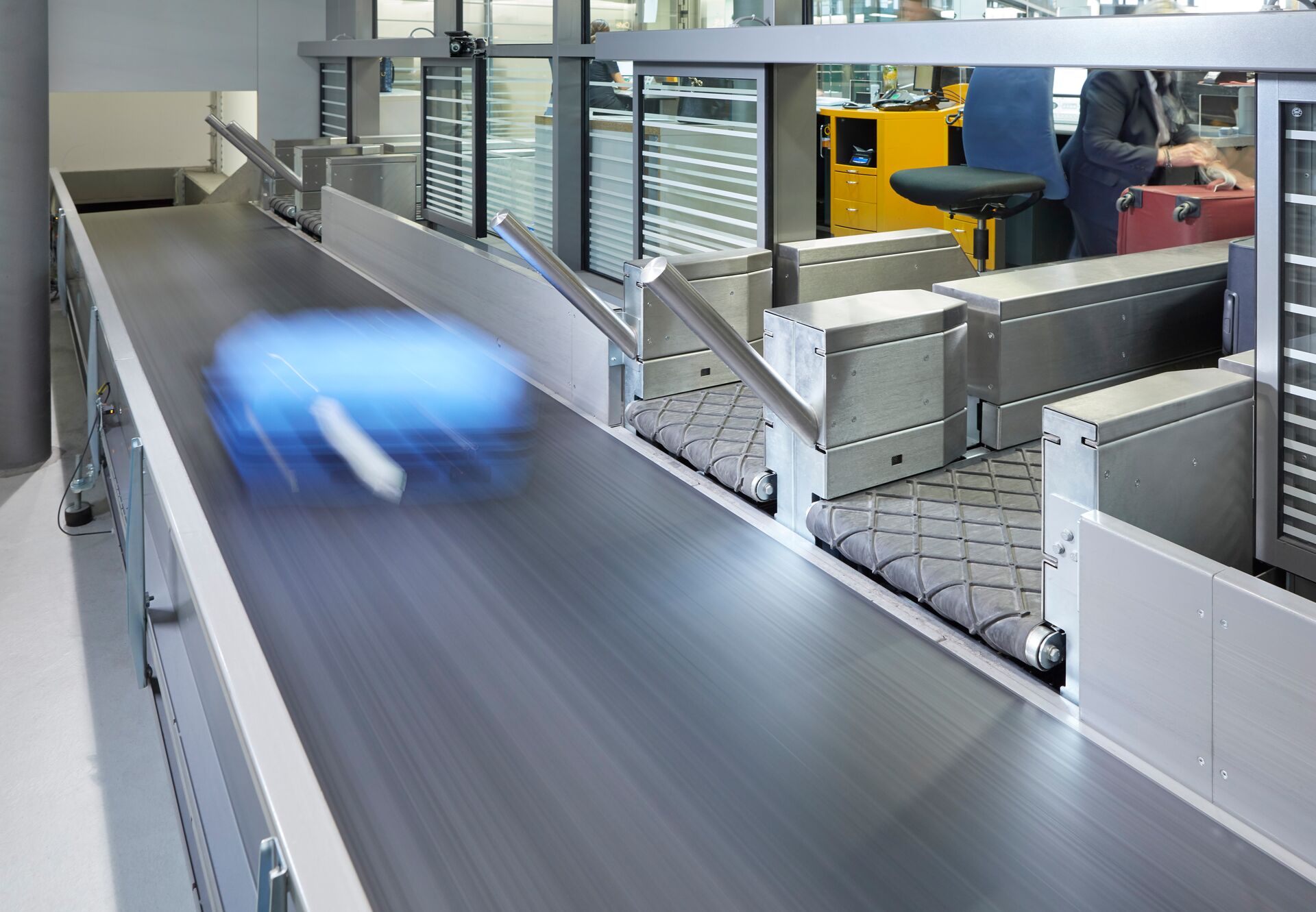
When it comes to innovation, sustainability has become the dominant theme. “The main innovation factor is sustainable products,” Goly said, noting that large end users face increasingly strict carbon reduction roadmaps. Forbo’s energy-saving belts have emerged as a key differentiator. “These energy-saving belts are really saving energy costs on the one side, but also they are reducing the CO₂ amount that is going on in a baggage handling system of an airport, for example.”

Crucially, these claims are not left unquantified. Goly described how customers are increasingly demanding clear ROI evidence. “We have a calculator on our website where you can type in the length, the speed of conveyor, the hours of running per day, and it easily displays the savings of CO₂ and also the savings in money, always compared with a standard belt.” He added that Forbo is the only belting supplier with third-party certification verifying both the calculations and the performance of the belts. “This has been certified from the German TÜV, so this is not just greenwashing or a nice marketing thing.”

Reduced Friction

Energy efficiency also translates into operational benefits beyond electricity bills. Reduced friction lowers wear on belts, bearings and motors, extending the lifespan of entire conveyor systems. “We have examples where the temperature was sometimes going down from 65 to 40°C just by using an energy-saving belt,” Goly said. “If you have a system with thousands of motors, and every motor is reduced by 10 or 20 degrees, you can even reduce the power of the air conditioning. All of that is increasing the lifetime of the complete conveyor systems.”

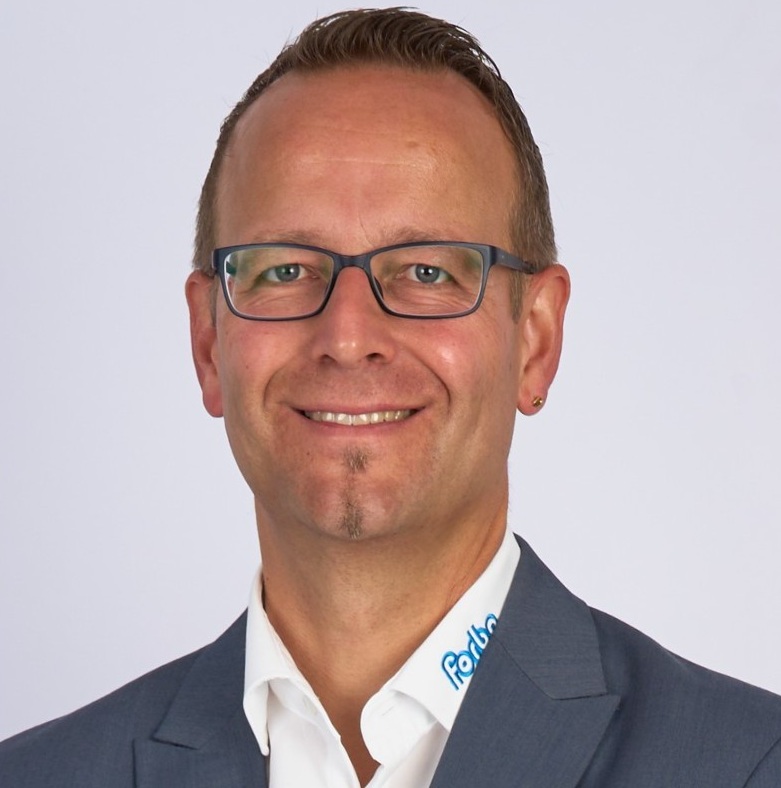
The technology itself is more sophisticated than many assume. While Goly, Pictured below, jokingly described a belt as “a piece of plastic”, he was quick to explain the science behind the performance. “The secret lies in the underside of the belt,” he said. By integrating a permanent lubricant into the belt fabric during manufacturing, friction is reduced over the entire lifetime of the belt. “It stays there over the lifetime of the belt. Even when the belt was running for eight or nine years, it still feels a little bit slippery.”

Looking ahead, Goly sees smart belting and predictive maintenance as the next frontier, though he is realistic about current limitations. “Customers would love to have it, but we are not at the phase where we can say we already have it.” Early steps include QR codes laser-marked onto belts, allowing technicians to access product data, order replacements and contact service teams instantly, reducing downtime and unnecessary site visits.

Regional differences remain relatively minor, according to Goly, with specifications largely consistent worldwide. Cost sensitivity is higher in Asia-Pacific, while North America places less emphasis on environmental considerations, though this may change. “In general, a belt stays a belt. It doesn’t matter on which continent it is.”

Perhaps the biggest misconception Goly encounters is price-focused procurement. “If you buy cheap, you buy twice,” he said. In the context of billion-pound infrastructure projects, belting represents a small fraction of total investment, yet it has an outsized impact on energy use, uptime and lifetime costs. To address this, Forbo has produced a white paper on energy-efficient package handling, including ROI calculations aimed at shifting conversations beyond initial purchase price.

As energy costs remain volatile and sustainability targets tighten, Goly believes the industry is finally catching up with ideas Forbo has been developing for more than a decade. “Now everyone is looking at saving more energy,” he said. “And that’s where we are in a very, very good position.”

New Madrid Warehouse Multiplies Capacity

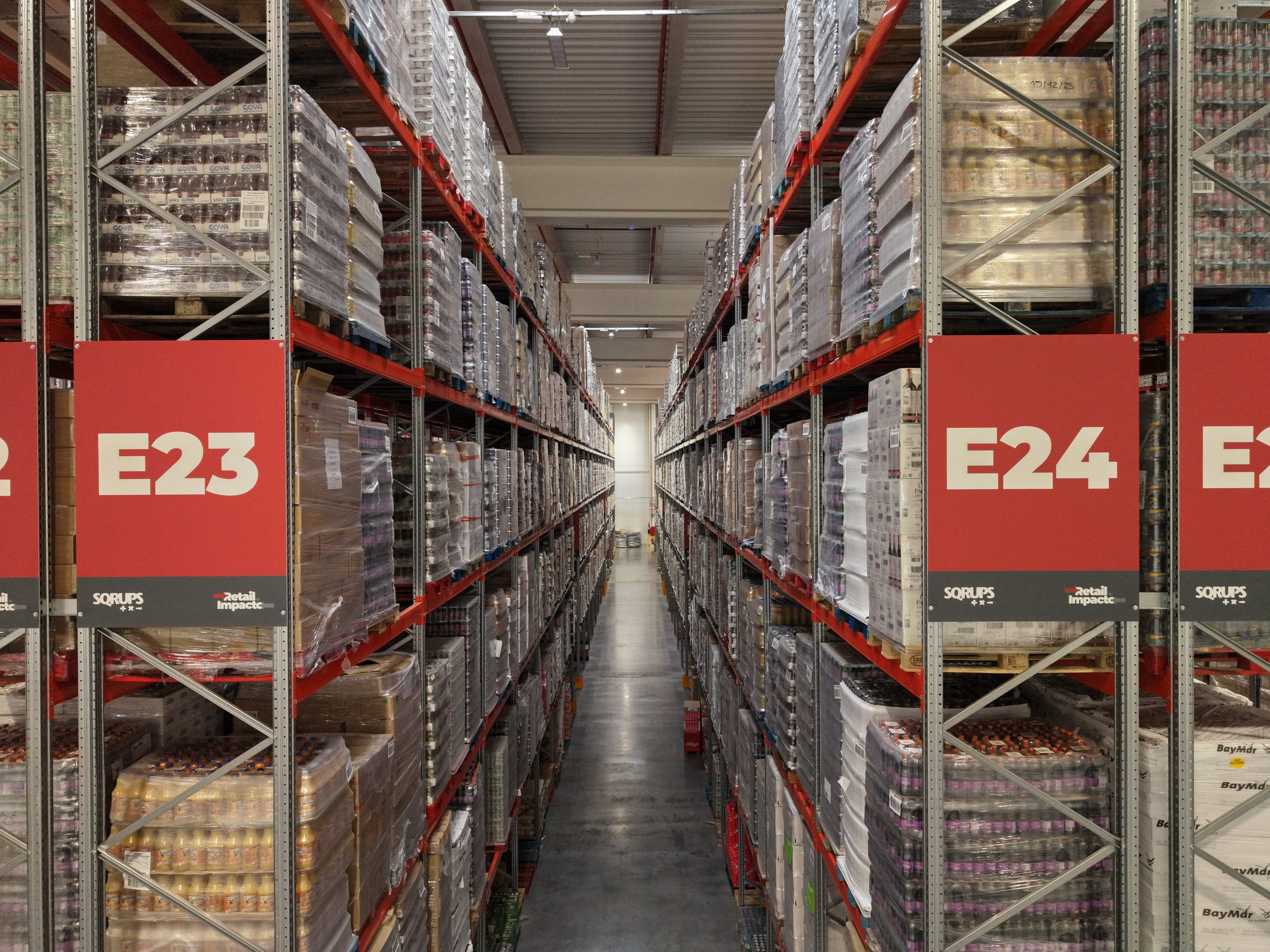
Retail de Impacto, the parent company of the SQRUPS chain, has strengthened its operations with the launch of a new 9,120 m² warehouse in Madrid, fully equipped with AR Racking solutions. In a sector like retail, where product turnover and service agility are decisive, having a robust, reliable, and tailored storage system makes all the difference.

Executed in just six weeks from supply to installation, the project consisted of a conventional pallet racking system (AR PAL) that accommodates up to 10,844 Euro pallets on structures over 10 metres high. This proven solution combines simplicity and efficiency for high-turnover logistics — key for a company like SQRUPS, which distributes a wide range of food and household goods at competitive prices.

The growth of our store network demands logistics that are increasingly robust and flexible. With this new centre and our collaboration with AR Racking, we are taking a key step to ensure availability and agility in our service

says José María Toro, he project lead at Retail de Impacto.

Located inside the warehouse building, the installation has been designed to optimise available space and facilitate both stock management and order preparation. The solution installed by AR Racking not only meets the company’s current requirements but also leaves room for future expansions should SQRUPS’s pace of growth require it.

“We have implemented a reliable, scalable solution with tight execution times that will enable SQRUPS to continue expanding with full logistics assurance,” notes Alfonso Peña, AR Racking’s Sales Representative for the central region.

This new project consolidates AR Racking’s position as a partner in the retail sector, delivering storage solutions that integrate seamlessly into high-demand, high-performance logistics operations.

Subscribe

Get notified about New Episodes of our Podcast, New Magazine Issues and stay updated with our Weekly Newsletter.