
Contracts Manage Warehouse Construction Risk

Industrial and logistics development has proved one of the most resilient segments of the property market, write Mark Macaulay and Tasmyn Brittlebank, construction partners in the Projects practice at law firm Dentons.

Demand for warehouse and distribution space, driven by ecommerce growth, supply chain restructuring and the expansion of last-mile delivery networks, continues to support new logistics parks across the UK. Yet the construction environment behind these developments has become increasingly complicated.

Logistics projects are frequently delivered on brownfield land, rely heavily on steel-intensive construction and often require substantial off-site infrastructure works.

As global supply chains remain volatile, with recent geopolitical tensions, including the conflict in Iran, affecting energy markets and shipping routes, these are contributing to renewed inflationary pressure on the cost of construction materials.

For developers and contractors, the challenge is no longer simply delivering warehouse space, but managing the legal risks associated with ground conditions, supply chain volatility and infrastructure obligations.

Ground risk and contaminated land

Many logistics developments are located on former industrial or manufacturing sites. While brownfield land can offer planning advantages, it often presents complex ground conditions and contamination risks that affect construction delivery.

Under the Environmental Protection Act 1990, local authorities have powers to require remediation of contaminated land where it presents a risk to human health or the environment. Where the original polluter cannot be identified, liability may ultimately fall on current landowners or occupiers.

From a construction law perspective, these risks frequently emerge during early site works. Even where Phase I and Phase II environmental investigations have been undertaken, unknown contamination or unstable ground conditions can still arise once excavation begins. The key legal question is how that risk is allocated under the construction contract.

Under some contracts ground risk generally remains with the employer unless expressly transferred. Alternative NEC Engineering and Construction Contracts address unexpected physical conditions through compensation event mechanisms that allow cost and programme adjustments where conditions differ materially from those anticipated.

English case law also underlines the importance of contractual risk allocation where site conditions are concerned, and the Court of Appeal has confirmed contractors cannot rely on unforeseen ground conditions where the contract places responsibility for investigating site conditions on them.

For large logistics schemes involving extensive earthworks or remediation works, the treatment of ground conditions within the building contract can therefore have a significant impact on both programme certainty and project cost.

Inflation, steel and supply chains

Modern distribution facilities depend heavily on structural steel frames, cladding systems and mechanical installations, meaning logistics developments are particularly sensitive to supply chain volatility.

Recent geopolitical instability has reinforced that exposure. The Iran conflict has raised concerns about disruption to global shipping routes and energy markets, increasing freight costs and placed upward pressure on construction materials such as steel.
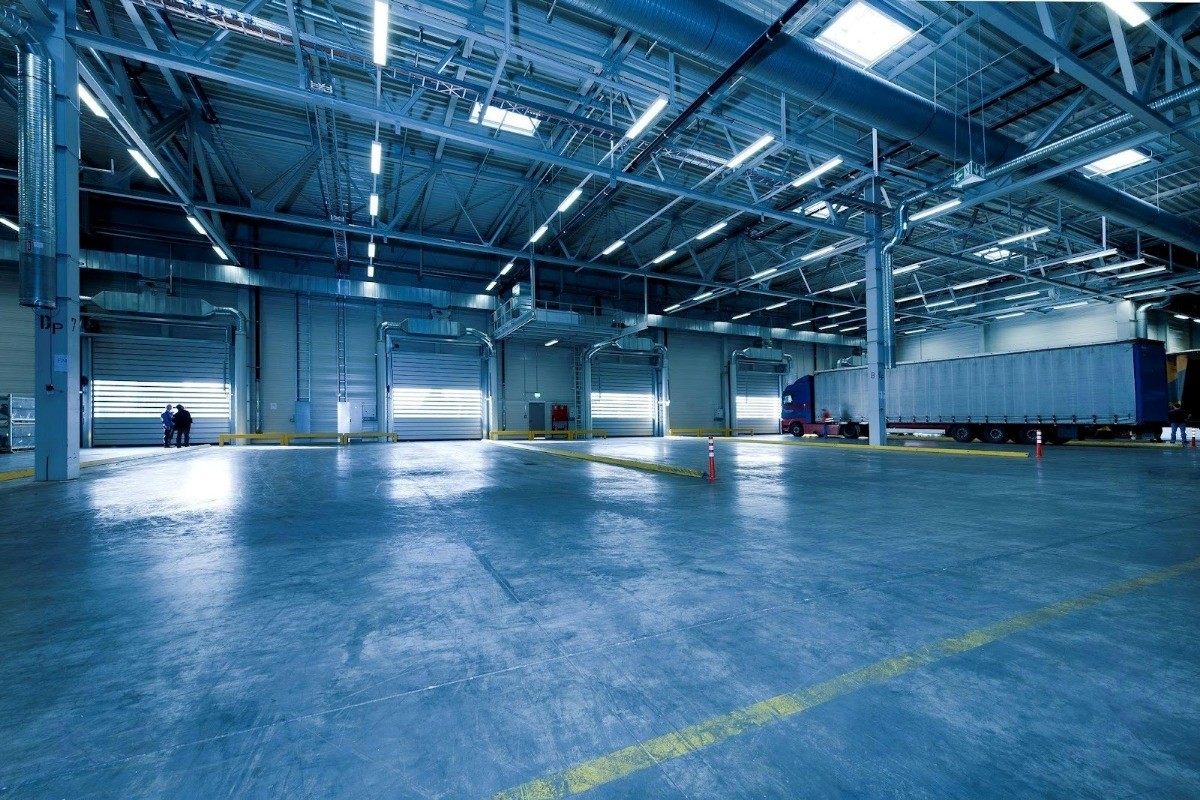
winter-proofing warehouses

For developers procuring logistics schemes, the question quickly becomes one of contractual risk allocation, particularly who carries the risk of inflation. Traditional procurement models rely on fixed-price construction contracts that place cost escalation risk on contractors. However, sustained material price volatility has made contractors increasingly reluctant to absorb open-ended price exposure.

Standard form contracts offer different responses. JCT contracts include optional fluctuation provisions, although these are frequently excluded in commercial developments, while NEC contracts, particularly under target cost arrangements, allow greater flexibility in managing cost change.

Supply chain disruption can also translate directly into programme delay. Shortages of structural components, façade systems or mechanical plant may trigger extension of time claims and threaten completion dates — particularly problematic where logistics developments are pre-let to tenants with fixed operational timelines.

Again, English case law also illustrates the importance of clear contractual drafting in allocating delay risk, and the Court of Appeal has confirmed parties are free to allocate responsibility for delay through their contract, even where doing so alters the traditional operation of the prevention principle (the rule that a party cannot insist on contractual completion dates where its own actions have caused delay).

Highways and infrastructure interfaces

The high traffic volumes generated by distribution facilities, particularly heavy goods vehicle movements, often require mitigation works to surrounding transport infrastructure. These works are commonly delivered through Section 278 agreements under the Highways Act 1980, allowing developers to fund and construct works to the public highway.

Under Section 278 agreements, highway authorities must approve detailed designs and supervise works carried out within the highway network. Where access roads or junction improvements are linked to project completion, delays in highway approvals or construction can affect programme certainty and practical completion.

For large logistics parks, where vehicle access is central to operational viability, misalignment between highways obligations and construction programmes can create significant delivery risk.

New Sleeve Wrapper for Transport Packaging

Hugo Beck, manufacturer of horizontal film and paper packaging machines, will unveil a brand new machine solution at interpack Dusseldorf – the compact sleeve wrapper paper S for sustainable transport and secondary packaging in paper.

As the packaging industry continues to seek practical alternatives to plastic shrink film and excessive cardboard, the new paper S enables a tight kraft paper wrap with or without tray, providing a secure and resource-conscious transport packaging solution across a range of industries, including FMCG producers and retail-ready packaging operations.

The launch of the new sleeve wrapping solution further expands Hugo Beck’s portfolio of sustainable paper packaging technologies – now with a focus on transport packaging applications. This reflects the company’s ongoing commitment to developing machine concepts that support reduced material consumption without compromising product and transport safety or operational efficiency.

The paper S has been developed as a compact operator and maintenance friendly sleeve wrapping system that can be installed inline within existing production lines or operated as a standalone solution. Its space-saving design makes it suitable for facilities with limited floor space.

The machine wraps products in or without a tray in kraft paper with overlap and optimised hot-melt gluing to ensure a tight and stable pack. This creates bundles for secure transport and handling, helping manufacturers transition away from shrink film or cardboard systems while maintaining product stability throughout the supply chain.

In addition to cost savings on material, the paper S enables energy savings compared to heat-based shrink wrapping processes. Optional add-ons such as digital printing units, labelling systems or additional automation components can be integrated to tailor the machine to specific customer requirements.

The paper packaging solution has been developed in close collaboration with Mondi to ensure reliable processing and a well-matched interaction between paper substrate and machine technology. Therefore, the new sleeve wrapper will be running with Mondi’s Ad/Vantage StretchWrap paper of only 70 gsm on the Hugo Beck stand.

Combined with its very low weight, this uncoated kraft paper offers high puncture resistance and stretch characteristics, which lead to an exceptional tensile energy absorption, while being industrially compostable and recyclable in conventional paper streams.

Visitors to interpack are invited to see live demonstrations of the new sleeve wrapper on the stand and discuss with the experts on site the company’s comprehensive machine portfolio for sustainable film and paper packaging.

“This introduction of the paper S in close collaboration with Mondi as a holistic solution represents a logical next step in our sustainable packaging strategy,” said Jonas Beck, Managing Director at Hugo Beck.

“It builds on our continuous development of paper packaging technologies over recent years. Following the launch of the paper X series targeting multiple industries together with dedicated ecommerce packaging solutions, we have steadily expanded our sustainable offering alongside our established film-based solutions. Our aim is always to support our clients to meet evolving market and regulatory demands in terms of increased sustainability. With the paper S sleeve wrapper we are offering a practical solution for reducing plastic usage and minimising cardboard consumption in transport packaging while maintaining the reliability and performance our clients expect from our technology.“

Samsara Launches its Most Compact Asset Tag

Samsara Inc. has announced its latest-generation Asset Tag and all-new Asset Tag XS, designed to help operations and fleet equipment managers track and recover high-value assets of all sizes. Powered by the expanded Samsara Network, the new tags are equipped with an AI-powered theft and loss workflow to help customers proactively identify, investigate, and recover mission-critical assets in record time.

“By integrating Samsara Asset Tags, we’ve gained real-time visibility over £7.2 million worth of specialist equipment. What used to take weeks to locate is now found in minutes, allowing us to prevent theft and loss to the tune of £60,000 annually,” said Amber Kirkby, Product Owner of Samsara at Lanes Group. “It has transformed our operational efficiency by ensuring our teams always have the right tools exactly when they need them.”

Operations network just got better

Over the last two years, Samsara’s Network has doubled in density, reinforcing its position as one of the industry’s leading industrial-grade Bluetooth networks. This expansive mesh network leverages millions of Samsara-connected devices. By using industrial-grade Bluetooth signals to continuously ‘listen’ for Asset Tags, a single Asset Tag can be detected in real time.

To provide an even more comprehensive view, Samsara has integrated Hubble’s Terrestrial Network, comprised of 90M consumer smartphones. This integration builds on Samsara’s presence on roads, at job sites, and in residential areas by extending visibility into buildings.

“The integration with Hubble complements Samsara’s existing network,” said David Gal, VP of Connected Equipment at Samsara. “The Samsara Network leverages millions of gateways on assets from construction sites to motorways to rubbish trucks, while Hubble’s network uses primarily consumer smartphones, ensuring no lost or stolen asset can hide, even inside buildings. The best network in the business just got better, delivering unprecedented asset visibility.”

Intelligence delivers increased visibility and rapid asset recovery

With Samsara’s end-to-end theft and loss workflow, organisations can now detect at risk assets sooner, investigate incidents, and coordinate fast recoveries.
● Proactively identify at-risk equipment: With the new Left Behind Incident feature, managers are immediately notified when an asset is separated from its vehicle outside a trusted geofence. Rather than discovering the loss days or weeks later, customers can respond in real time to recover assets and prevent costly disruptions.
● Investigate with real-time information: Customers can mark an asset as missing and see critical context, such as photos of who last had the asset, which vehicle it was last seen with, and more, powered by StreetSense. This rich context helps determine the most efficient recovery method and allocates the resources needed for a successful retrieval.
● Rapidly recover assets and avoid lost time: Customers can coordinate quick asset recovery by dispatching a driver or sharing asset location with local authorities. Once dispatched, crews can quickly pinpoint an asset’s exact location using Compass Mode.
● Demonstrate return on investment: The new Asset Tag Overview page analyses asset photos with AI to calculate the value of assets protected and recovered. By tracking the total monetary value of assets, managers can demonstrate financial impact on the business.

Sized for equipment big and small. There’s nothing you can’t track.

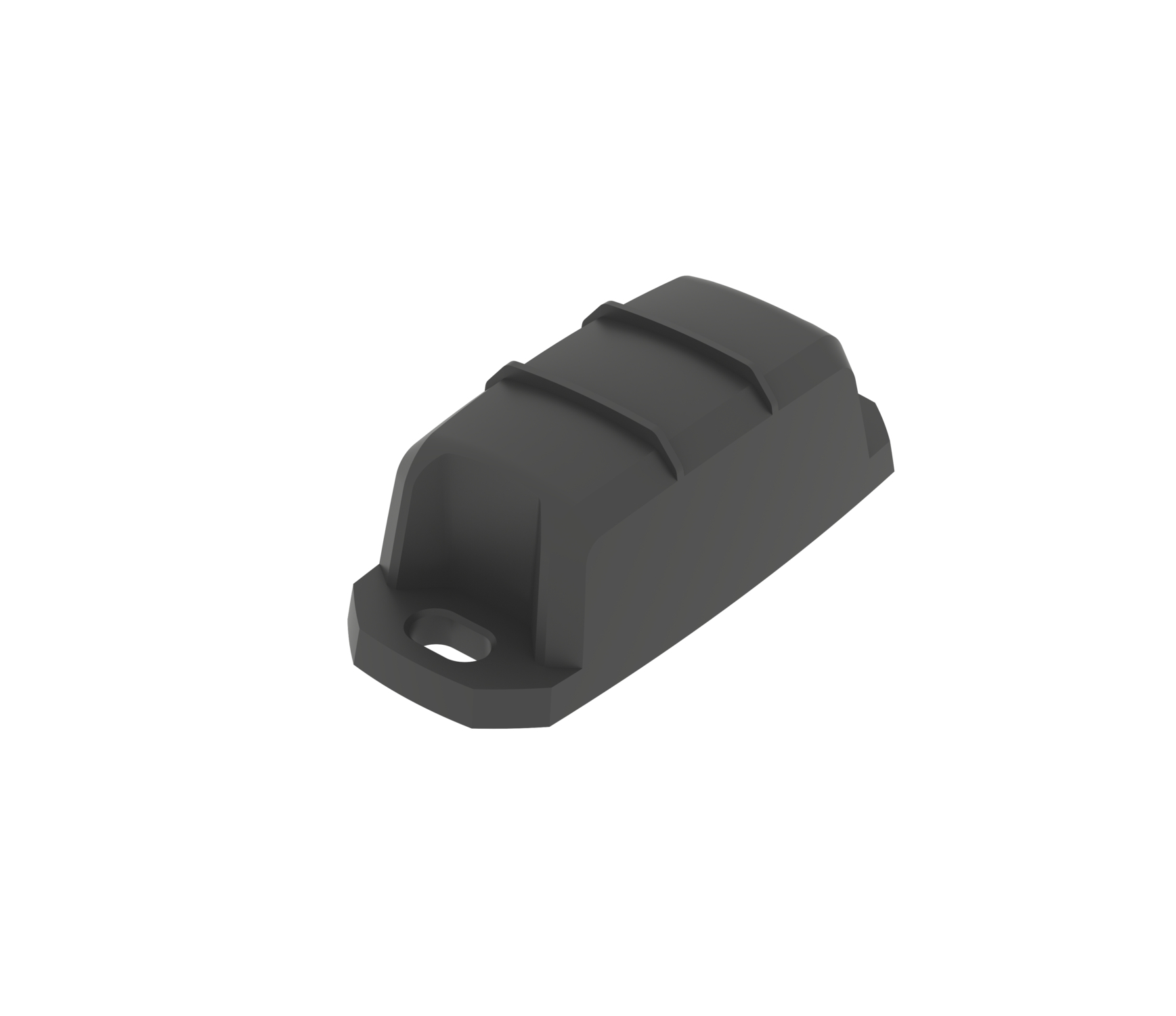
The new Asset Tags are ruggedised devices engineered to operate in the most extreme and remote environments. With the compact Asset Tag and ultra-compact Asset Tag XS, equipment managers can mix and match devices based on the equipment’s size and shape.

● Asset Tag: Designed for both large and small equipment, the Asset Tag provides up to six years of maintenance-free battery life—a 50% increase over the previous generation.
● Asset Tag XS: Ideal for even smaller, high-value handheld tools or specialised equipment such as gas meters or IV pumps, the ultra-compact Asset Tag XS offers three years of battery life and flexible mounting options for the most obscure equipment.

“The scale of equipment loss in physical operations goes far beyond the cost of the tools themselves—it’s about lost productivity and project delays,” said David Gal, VP of Connected Equipment at Samsara. “To solve this, we’re doubling down on innovation, laying the foundation for new use cases. We’ve supercharged the network, the hardware, and the recovery workflow, and with the Asset Tag XS, now even the smallest assets stay within reach.”

New research reveals the multi-million dollar impact of asset loss

In physical operations, small assets play a big role in getting the job done; however, keeping track of these mission-critical tools is a growing challenge.

Research from Samsara’s forthcoming State of Connected Operations: Asset Theft & Loss report shows that in the past 12 months, 77% of organisations say a missing critical asset has resulted in a significant operational shutdown or delay. Moreover, asset shrinkage costs the average organisation without an asset tracking solution nearly £9.6 million annually, with smaller assets driving more than 70% of that cost.

Subscribe

Get notified about New Episodes of our Podcast, New Magazine Issues and stay updated with our Weekly Newsletter.