Driving Efficiency and Innovation in Conveying

Peter MacLeod spoke with Tatsuya Akashi, President of Itoh Denki Europe, to hear how his company meets the high demand placed on conveyors and rollers by the modern warehouse.

The intralogistics sector has faced its share of challenges in recent years, 2025 being no exception. Tatsuya Akashi, President of Itoh Denki Europe, described it as “a quite tough year for the industry. We had very sluggish market investment because of France had a problem with the government, and Germany was not doing so well due to energy issues. Overall, it was a tough year.”

Even the UK, he noted, had seen economic efficiency fall, with major Japanese companies relocating their European headquarters to the continent rather than remaining in England. Yet amidst the difficulties, Eastern Europe, particularly Poland, Czechia, and Hungary, had experienced a manufacturing boom. “Poland and some of the Eastern Europe has boomed a lot, kind of becoming the centre of manufacturing of Europe,” he told me. Akashi highlighted that, despite these challenges, Itoh Denki Europe had experienced growth.

“Luckily, we gained back quite a lot of large projects, and we did above 10%… all the other surrounding companies said ‘You’re so lucky that you have 10% growth!’ Industry was pretty bad.”

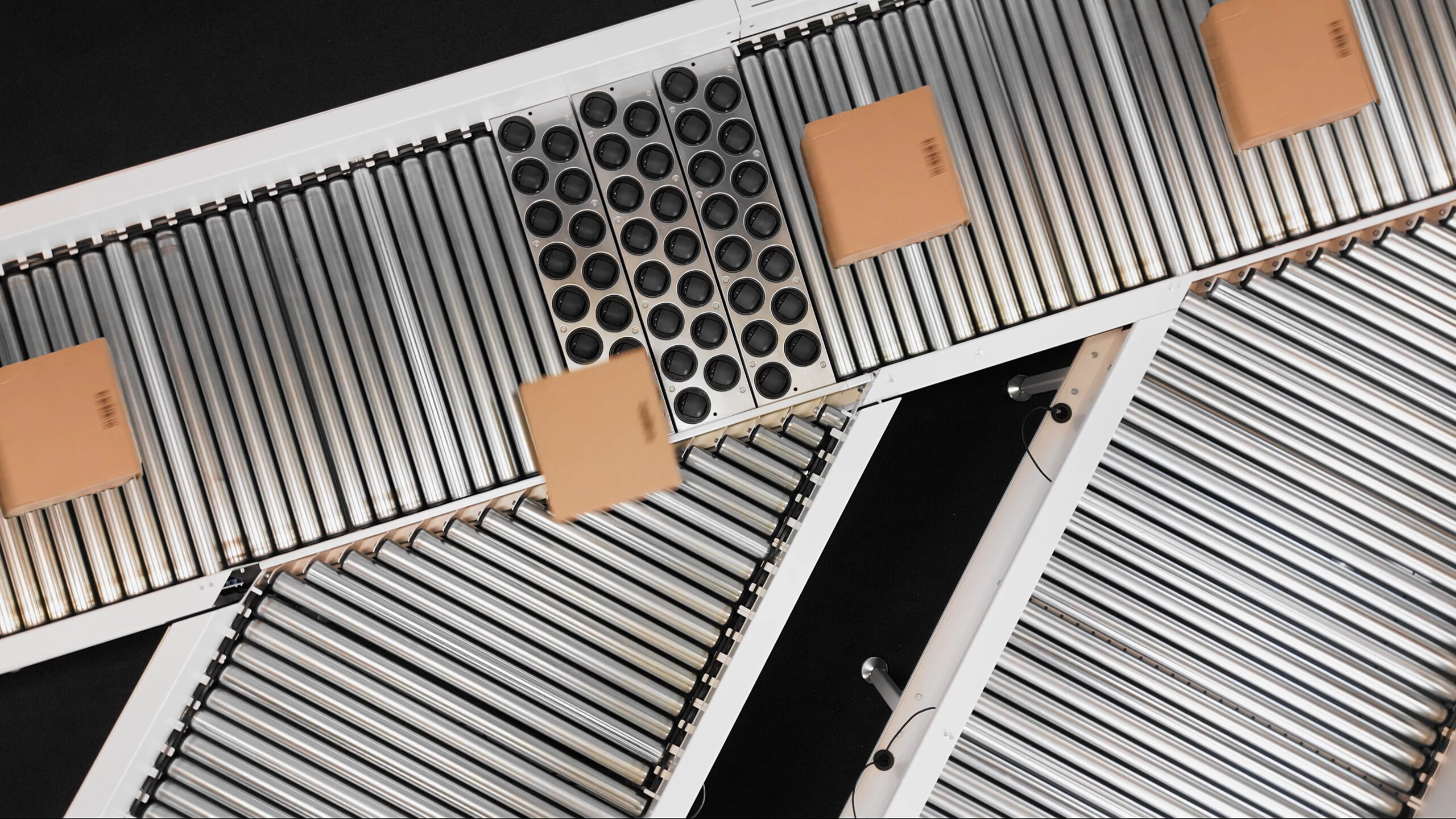
A major focus for the company is helping customers increase their profitability. Akashi explained: “First of all, increase the value for money for our products. There are a lot of very cheap Chinese brands of motor rollers coming in. But when we look at durability, and also how we are increasing our speed or torque or other specifications, we are selling a much higher quality product at the same price.” He added that the company’s modules, such as the Multi Angle Ball Sorter, had become a driving force in Europe. “Instead of spending huge money on a cross-belt sorter or slidechute sorter, they can make a very simple sorter based on our MABS module… the cost is around half or one-third of having a huge cross-belt sorter,” he said. Maintenance is simple and quick, often just five minutes of downtime, which delivers clear benefits to both integrators and end users.

Competing with Cheap Imports

Local presence and service are equally important in competing with cheaper imports. “In the case of MDR or a slave roller, the cost itself is just around €10 euro. If you buy from China, maybe it’s €7, but then if you have a shortage and have to bring it by air shipment, it costs €50. So with something very cheap and heavy, you shouldn’t do it in China. You should do it somewhere close to Europe,” Akashi explained. Quick delivery, he said, ensures that downtime is eliminated and operations remain smooth. One example he gave was a leading global e-tailer (yes, THAT one!) where a cheaper solution would have caused nearly two days of conveyor stoppage, equating to potential losses of around €2 million. “If they were using ours, they could come back on in 10 minutes,” he said.
Artificial intelligence is also being integrated into Itoh Denki’s operations. “When we design some control software nowadays, we partly use AI… when we want to do preventive maintenance or control the box moving style… we could use AI to better control our programme and make the programme faster,” Akashi said. While AI is currently an enhancer of automation, he sees substantial future potential as more end users shift from manual work to automated solutions.

Carbon Reduction

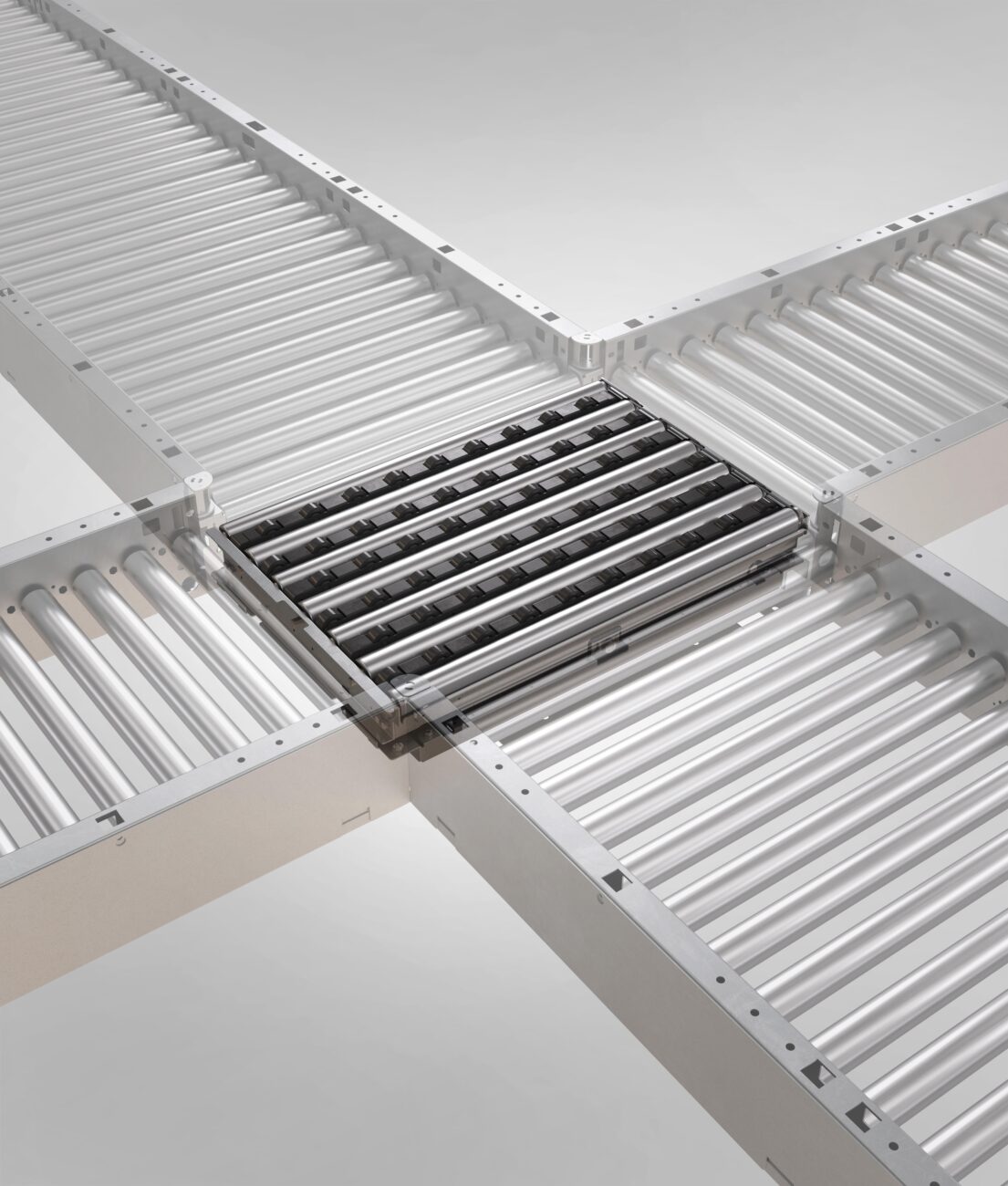
Sustainability is another priority. Akashi stressed the company’s strength in enabling carbon reduction, not only through more energy-efficient products but by optimising operations. “If they use our motorised roller, because we do the run-on-demand, it means… only three blocks are moving out of 100. Thanks to this run-on-demand technology, you can save up to 60% electricity… using Itoh Denki product, which is the enabler of the final carbon footprint. Here we are very strong pride in our company,” he said.

Akashi (pictured, below) also discussed the heritage of Japanese engineering. “One thing I can say is in the B2B area, especially if it is… common motor, there’s a lot of okay-level cheap Chinese motors. But we are making a dedicated motor for this industry, which is high torque but low speed… Japan is absolutely number one,” he said.

Looking ahead, the company continues to focus on innovation and customer engagement. Its Amsterdam technology centre allows northern European clients to test products with their own totes. Customisation is fast, with minor adjustments taking just two weeks. Akashi also highlighted new developments to be showcased at LogiMAT, including the flexible noise-arrest roller, which can carry smaller products and reduce maintenance demands.

Reflecting on success, Akashi summarised the company’s philosophy:

“We become smiling when our good technology is adopted and contribute to society. It means a big satisfaction of the end user, our OEM partners, but also we can make our business grow and certain level of high profitability can be kept.”

Food & Beverage Supply Chain Planning

Manhattan Associates Inc.  has announced that Rainforest Distribution Corp., a full-service food and beverage distributor, has selected Manhattan Active® Supply Chain Planning (SCP) to unify its supply chain functions, transform its end-to-end planning processes, drive higher service levels, and support continued growth. This will result in greater agility enabled by unified planning, enhanced forecasting accuracy powered by AI-driven insights, and seamless alignment between planning and execution systems.

Rainforest Distribution chose Manhattan Active Supply Chain Planning to modernise its demand planning, forecasting, and replenishment processes, all on a single unified, cloud-native platform. By moving away from fragmented legacy tools to a single planning solution, Rainforest will gain real-time visibility and continuously balance service levels, cost, and capacity across its network, while responding faster to changing customer demand.

“As our business continues to scale, the complexity of our supply chain has increased exponentially,” said Alexander Ridings, CEO, Rainforest Distribution.

“We needed a modern planning solution that could keep pace with that growth, give our teams a single, trusted view of demand and inventory, and help us serve customers with greater reliability. Manhattan Active Supply Chain Planning gives us the unified, intelligent platform we were looking for to align our planners, our operations, and our strategic growth ambitions.”

“Rainforest Distribution operates in an environment where agility, accuracy, and responsiveness are critical,” said Stewart Gantt, executive vice president of Global Services, Manhattan Associates. “We are excited to partner with them on this transformation to help them unlock new levels of efficiency and build a more resilient, data-driven supply chain.”

Manhattan Active Supply Chain Planning aligns planning and execution around a shared strategy, helping organisations eliminate systemic and operational silos and drive coordinated, enterprise-wide decision-making. Built on Manhattan’s cloud-native, microservices-based Manhattan Active® Platform, the solution is engineered to adapt in real time to shifts in demand, labour, orders, and capacity, aligning planning functions with execution across distribution and transportation operations.

Objective, Automated Optical Pallet Classification

With its intelligent classification system breeze-PAVE, breeze innovations GmbH is aims to fundamentally transform pallet inspection. The system evaluates pallets fully automatically, quickly, and objectively.

Pallets form the backbone of logistics, enabling the transport of goods worldwide in countless processes. Over the course of their life cycle, they often travel hundreds of thousands of kilometers and carry heavy loads — wear and tear is therefore unavoidable. The consequences of damaged pallets can vary greatly depending on the severity of the damage: protruding parts, the possible collapse of loads, or impaired machine capability and transport safety due to severely damaged pallets are risks that can cause major disruptions to logistics processes, complete operational shutdowns, or transport damage. Damage to goods may also lead customers to refuse acceptance. Logistics companies naturally want to avoid financial losses, such as potential penalties, scrap, or costly repairs, wherever possible.

For this reason, empty pallets are repeatedly inspected during pallet exchange — however, this is usually done manually, explains Dr. Michael Kleinkes, one of the founders and Managing Director of breeze innovations GmbH based in Haltern am See: “These inspections are physically demanding and often subjective, which frequently leads to discussions during the handover of inspected and classified empty pallets.”

Kleinkes and his partner wanted to fundamentally change this situation. “Our goal was to develop a classification system that allows the condition of pallets to be assessed fully automatically, fast, reliably, reproducibly, and above all objectively, with minimal effort,” says Kleinkes. With breeze-PAVE, such a solution is now available to the pallet market.

Hybrid Sensor Technology Creates Digital Twins

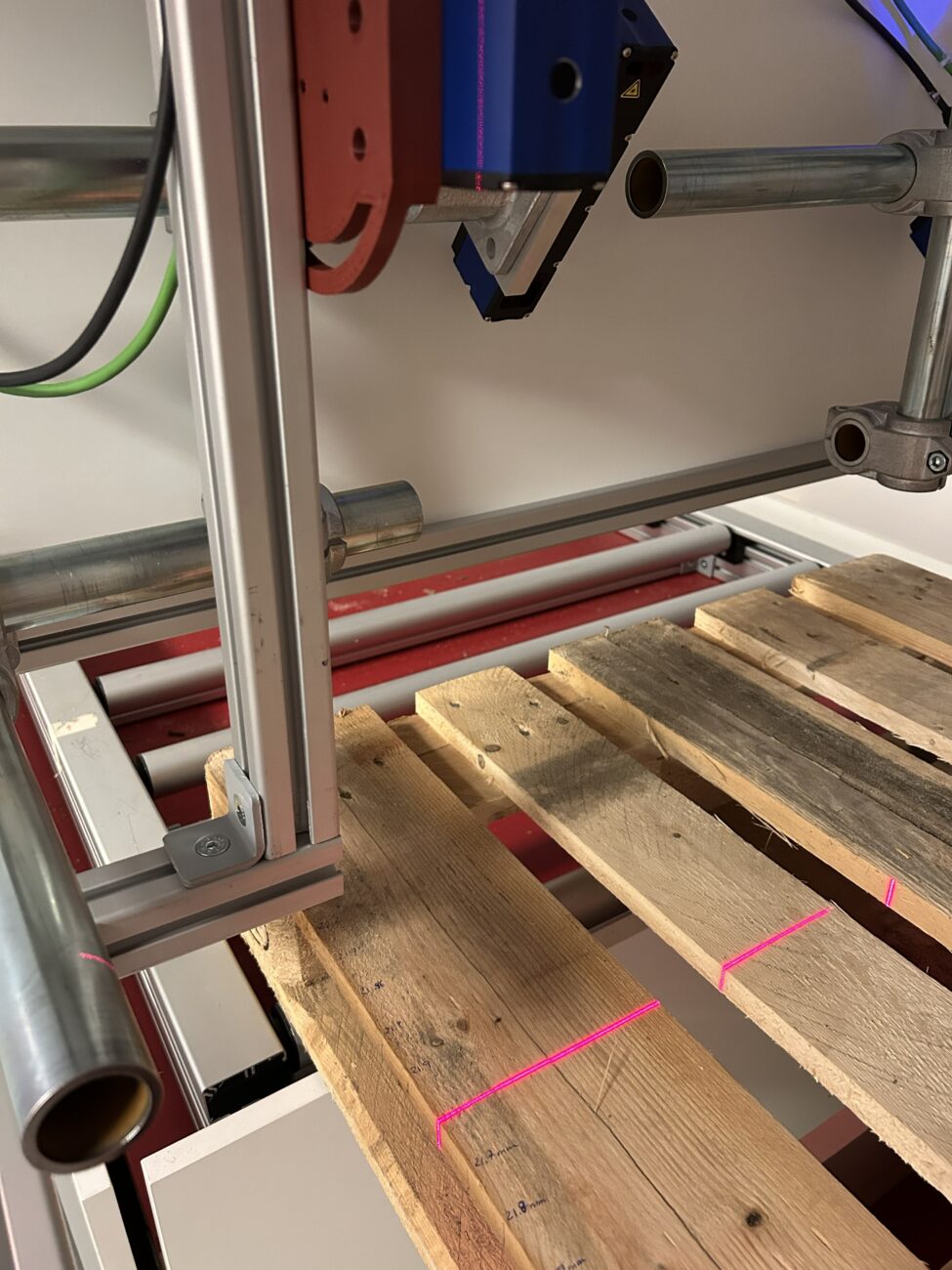
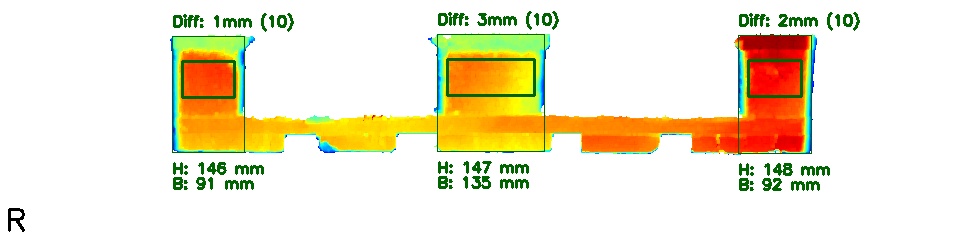
The innovative system makes it possible to capture key pallet characteristics including the condition of each individual pallet component, color, brightness, and 3D dimensions, thus enabling the best possible assessment of pallet quality. The reliable classification of both colour and brightness is extremely important: many pooling companies mark their own pallet inventory with a dedicated colour to distinguish them more easily from rental pallets operated by competitors. Brightness detection plays a key role in the classification of exchange pallets. When checking component dimensions — deck boards, stringer boards, cross boards, and blocks — breeze-PAVE detects whether these elements comply with the specified geometric dimensions and required positions. If they do not, the corresponding areas are marked, and the pallet’s quality rating is downgraded.

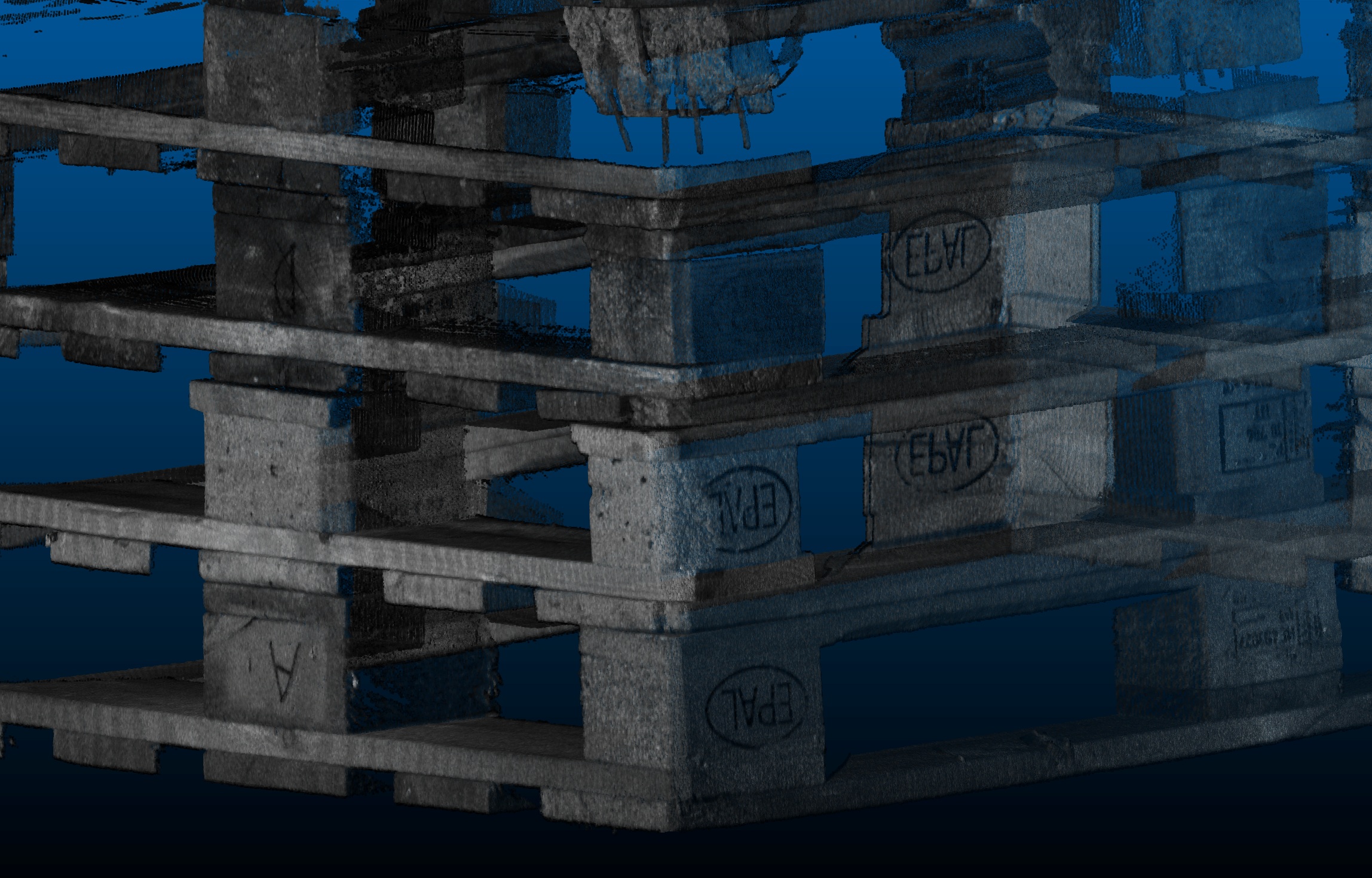
Breeze relies on a multi-sensor system for data acquisition, explains Kleinkes: “Pallets are scanned by breeze-PAVE in motion from all directions: top, bottom, sides, front, and rear using multiple laser sensors, while brightness is checked simultaneously. This combination allows us to achieve complete 360-degree scanning of the real objects, providing a solid basis for assessing the condition of the new and used pallets being inspected.” The system also reliably detects chemical residues and contamination such as oil, paint, or adhering cardboard.

From the captured information, a digital twin is created, which breeze-PAVE then analyzes in detail using software. In this step, deviations from predefined quality characteristics are automatically detected, the pallet is classified, and clearly classified into quality grades A, B, C, or ‘defective.’ The evaluation profiles can be flexibly adapted to the user’s specifications and cover both common load carrier standards such as EPAL, as well as individual, customer-specific requirements.

“In addition, the software enables users to achieve customer-specific pallet classification using configurable parameter sets that are independent of common standards,” explains Kleinkes. “This has the advantage that individual profiles can be created for any customer and selected at the push of a button in the software. This makes it possible to meet customer requirements in the best possible way.”

Over 1,000 Pallets per Hour

Compared to manual pallet inspection, breeze-PAVE offers a range of advantages. The most important feature of the system is the objectivity of the automated process, which significantly increases process reliability. Another major advantage is the system’s exceptional accuracy and speed: during operation, it captures several million 3D measurement points per pallet without impacting cycle time, evaluates them in less than one second, and detects not only obvious damage but even the smallest deviations.

This impressive performance currently enables a throughput of well over 1,000 pallets per hour per system. These pallets can be inspected during normal operation — on the fly, without stopping the load carriers. Especially in high-throughput processes, this results in enormous savings in time and labour.

“Based on the evaluation time, we could theoretically inspect up to 4,000 pallets per hour per system — but this rate cannot be realized with current conveyor technology. The precision and speed of breeze-PAVE are absolutely unattainable for the human eye,” emphasizes Kleinkes.

Another strength of breeze-PAVE is its ease of integration into existing conveyor and sorting systems. It requires only 1.5 meters of installation space above the conveyor technology and a gap of around 25 centimeters in the conveyor line. Alternatively, breeze also offers a complete solution with its own conveyor technology. If required, the system control can also be integrated into existing control cabinets.

Optimized Digital Load Carrier Management

According to Kleinkes, full integration into digital load carrier management systems represents an important milestone toward the digitalization of logistics processes: “For every pallet inspected, breeze-PAVE generates an online report that can be evaluated according to various criteria, such as shipments, quality grades, or locations. If desired, the captured data is transmitted directly to the cloud and made available to the user in real time. This enables transparent, cross-site monitoring of pallet quality and, for example, long-term observation of the quality of a specific customer’s pallets over months. For modern logistics processes, this technology is a central building block and a decisive step toward digitalized load carrier management.”

Moreover, breeze-PAVE is not limited to wooden pallets but can inspect all types of load carriers, such as plastic pallets, mesh boxes, loaded containers or packaged goods. Information such as dimensions, volume, overhangs, or deformations of such objects is precisely captured and digitally evaluated by the system. “In this development, we initially focused on wooden pallets, but based on our many years of experience in automation, we are able to use it as a flexible platform for individual customer solutions and adapt it to the respective requirements,” says Kleinkes.

According to him, the system’s capabilities go far beyond merely classifying empty or loaded load carriers: “With breeze-PAVE, we can digitize virtually anything—from reusable drinking cups to large objects — and are able to detect any kind of geometric shape or positional deviation in virtually any object. At present, however, we are focusing on pallets and are already working on additional solutions in this area, such as automated material monitoring in the repair process. This allows the costs incurred per repaired batch to be automatically tracked and invoiced.”

Economically Attractive Solution

The system developed by breeze innovations has a high technological standard and is based on established sensor and software technologies. According to Kleinkes, the purchase costs of the classification system are amortized within a short time: “Saved staff costs, high availability even during staff shortages, illness, or vacation, reduced misclassifications and avoided returns, as well as the reliable detection of counterfeit pallets — which are increasingly causing problems in logistics — make breeze-PAVE an economically attractive solution. Companies that inspect or sort large quantities of pallets every day benefit enormously from this innovation.”

For employees, day-to-day operations remain almost unchanged: pallets continue to be fed, removed, or routed to repair as usual, depending on the classification result. What is new, however, is that breeze-PAVE fully automates the previously manual inspection of pallet quality and provides an objective classification evaluation in less than one second. For every delivery process, a digital quality report is available via a web server and can be displayed on any device with a web browser. Warehouse staff and truck drivers thus receive an immediate, transparent overview of the load composition and the condition of the pallets at a glance. With the objective results of breeze-PAVE in the form of transparent reports, discussions about pallet quality at the loading dock are now a thing of the past.

AI-Driven Warehouse Automation at LogiMAT

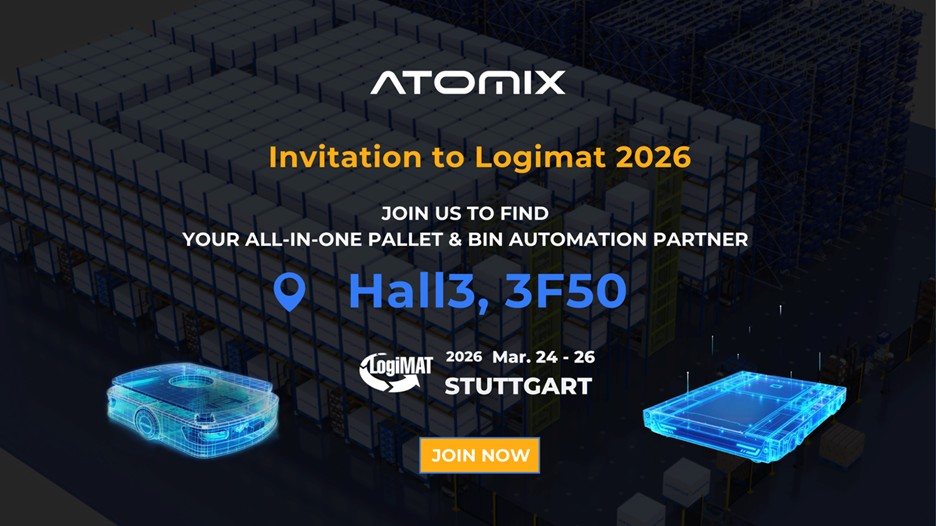
Atomix, a provider of AI-driven warehouse automation solutions, will return to LogiMAT 2026 in Stuttgart (Hall 3, Booth 3F50) to showcase its core technologies and growing European footprint.

At the heart of Atomix’s solution is its ‘1+4’ technology platform. The ‘1’ refers to Atomixer, an AI-native orchestration software platform that enables real-time coordination of heterogeneous robotic fleets while integrating seamlessly with existing WMS/WCS systems.

The ‘4’ represents Atomix’s four families of self-developed robotics, including 4-way pallet shuttles, pallet AMRs, and tote Storage Transfer Robots and Tote AMRs, designed for high-density storage, flexible handling, and efficient picking. These technologies are modularly combined into three subsystem solutions — ‘Storage Mix’, ‘Handling Mix’, and ‘Picking Mix’ — allowing system integrators to configure scalable automation systems tailored to specific warehouse needs.

A key differentiator of Atomix is its ability to orchestrate heterogeneous robotic fleets within the same environment. Powered by advanced AI algorithms such as MAPF and decentralized deadlock avoidance, Atomixer enables seamless collaboration between different robot types and third-party equipment, optimizing warehouse operations in real time.

Demo Centre

Globally, Atomix works through a partner-based delivery model, providing core technologies and products while local system integrators deliver project implementation and lifecycle services. With over 500 projects across 20+ countries, Atomix has built long-term partnerships with companies including Coca-Cola, Nestlé, Toyota, Yum China, Lotte, ITW, and Lenovo, achieving a 71% customer renewal rate.

In Europe, Atomix continues to expand through local integrator partnerships. The company has recently opened a Demo & Experience Centre in Belgium to support partners and customers across the region. Recent projects delivered in Romania and Greece demonstrate the flexibility of Atomix solutions across industries such as manufacturing and cold-chain logistics.

Visitors to LogiMAT 2026 are invited to meet the Atomix team to explore AI-powered automation solutions and discuss partnership opportunities. If you would like a free visitor ticket you can register here.

PODCAST: Shuttle Based Technology Insights

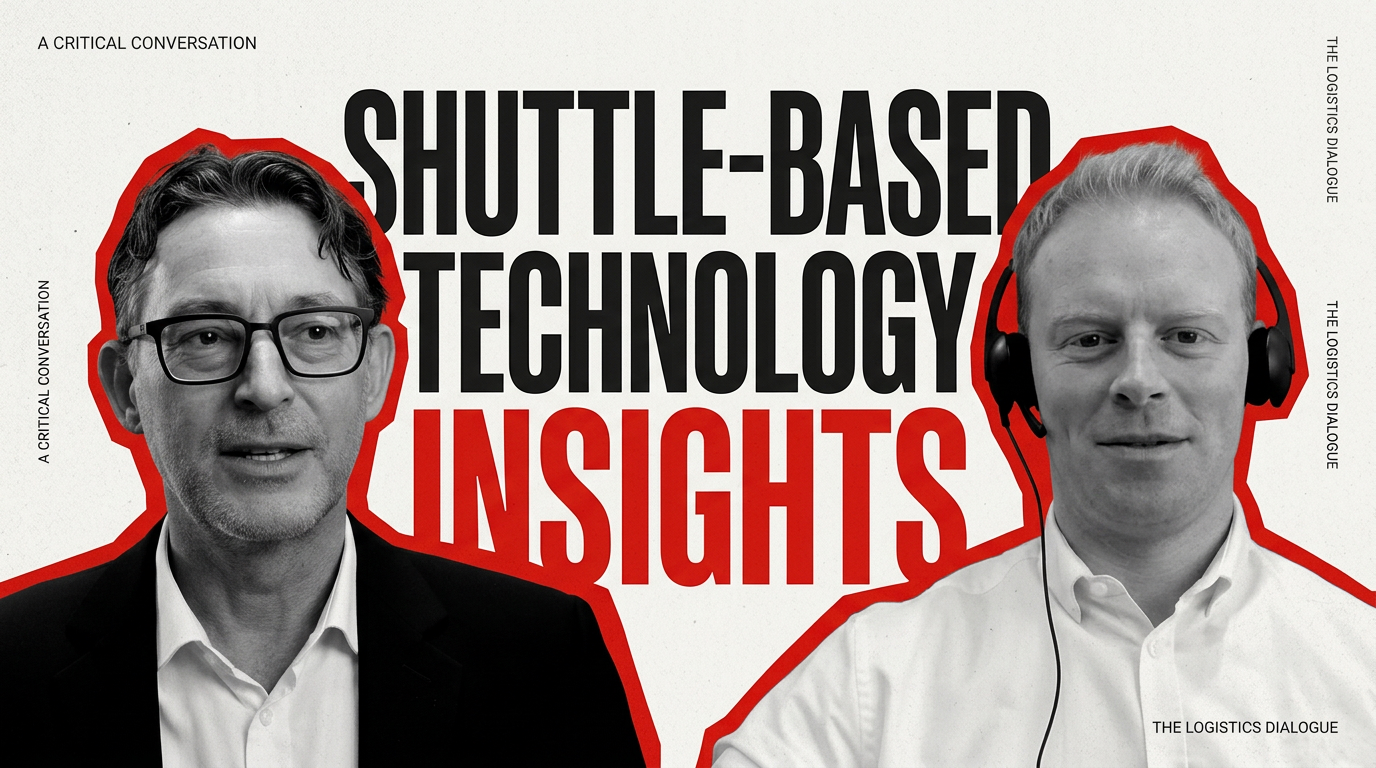
Are you ready to see the future of warehouse automation? In this episode of Logistics Business Conversations, Editor, Peter MacLeod and Sam Moffett, managing director of Moffett Automation, share how cutting-edge shuttle technology and intelligent software are revolutionizing logistics. Discover how fully free-roaming, multi-directional shuttles can scale effortlessly, reduce energy consumption by up to 50%, and make dark warehouses a real possibility in just 18-24 months. This episode reveals the secrets behind creating highly flexible, resilient, and sustainable logistics operations that can double capacity within existing spaces – all while slashing costs and minimizing downtime.

You’ll learn about the crucial role AI and advanced traffic management systems play in increasing efficiency and preventing costly operational disruptions. Sam explains how customized solutions-ranging from handling whiskey barrels to cold storage-are tailored to meet unique industry needs, and how the software backbone ensures maximum throughput and real-time data analytics. Plus, get brilliant insights into integrating legacy systems, attracting top engineering talent, and the strategic foresight shaping the next generation of warehouses.

If you’re a logistics leader, warehouse manager, or tech innovator, this episode is essential. It’s packed with concrete examples of successful automation projects, practical tips on scalability and energy savings, and a compelling glimpse into how disruptive technologies will define the warehouse of tomorrow. Don’t miss the opportunity to learn how to future-proof your supply chain with smarter, more adaptable automation solutions.

Whether you’re building new facilities or upgrading existing ones, understanding these innovations can give you a competitive edge. Tune in to stay ahead of industry trends and find out how the most advanced automation is making warehouses more efficient, sustainable, and ready for the future.

Subscribe

Get notified about New Episodes of our Podcast, New Magazine Issues and stay updated with our Weekly Newsletter.