
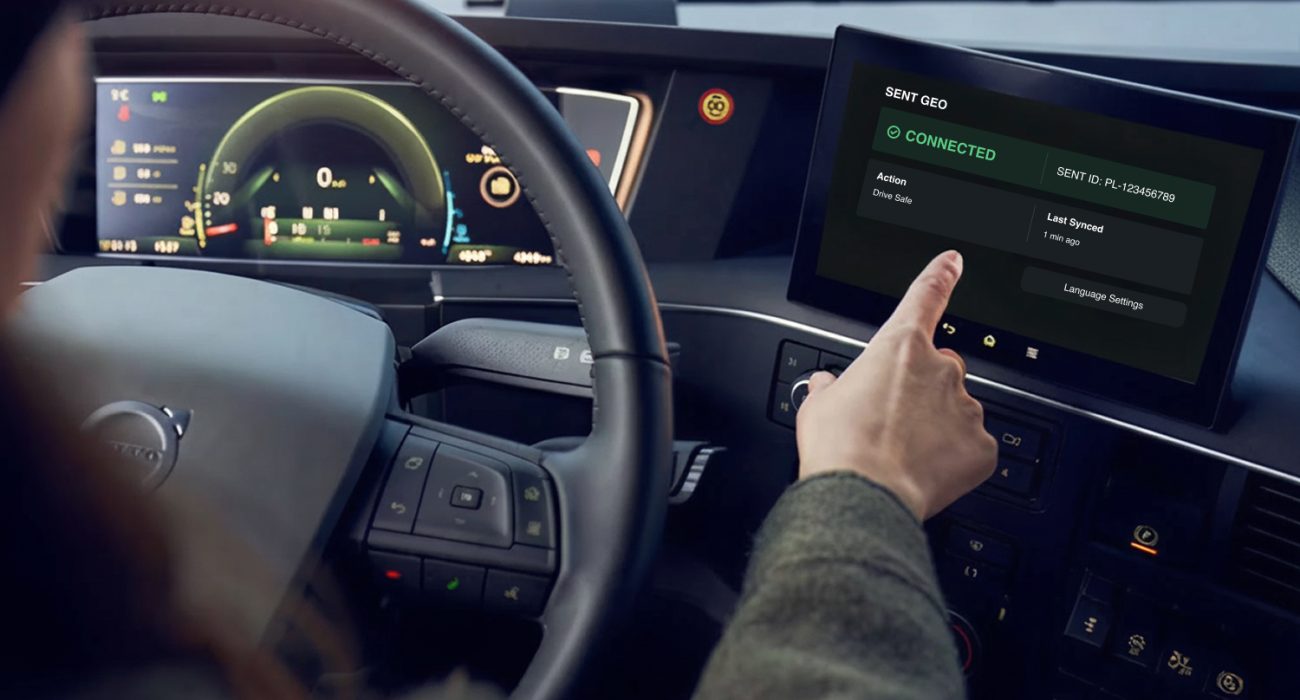
AiDEN, in collaboration with Volvo Group, has announced a new solution designed to simplify regulatory compliance for truck drivers and fleet operators across Europe. For UK-based fleets — many of which operate extensively across EU markets — this development has important implications for managing cross-border complexity, improving efficiency, and supporting ongoing digitalization efforts post-Brexit.
With UK logistics companies continuing to play a critical role in European supply chains, solutions like this can help streamline operations, reduce friction at borders, and improve overall driver experience —particularly for fleets navigating evolving regulatory requirements across multiple countries.
In December 2024, a new regulatory requirement was introduced in Poland related to SENT (System for Electronic Transport Supervision) for tracking high-risk goods transported within the country. In regard to this, a project to validate one of AiDENS services/products within the platform was initiated. This was done in a project with Volvo Trucks through CampX, Volvo Group’s global innovation arena for technology and business transformation.
It was a successful project leading to high value for the fleet owner and truck drivers enabling seamless compliance with Poland’s SENT without the need for external GPS devices or aftermarket installations. Due to the successful outcomes from the initial project, another phase is now initiated with Volvo Trucks to evaluate further commercial markets during 2026.
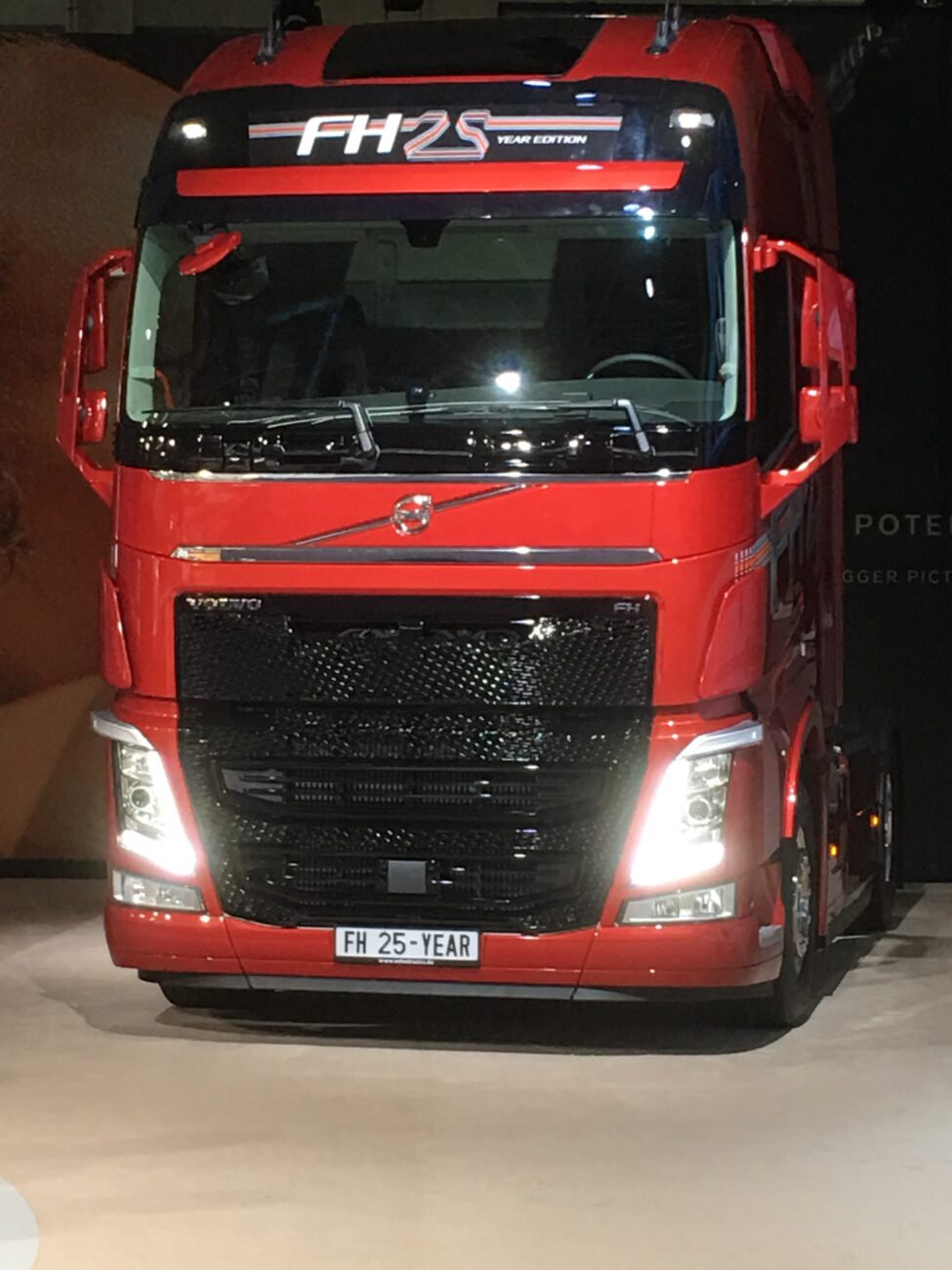
We asked Niclas Gyllenram, CEO of AiDEN Auto, to explain further:
How does AiDEN’s integration with Volvo Trucks address regulatory compliance challenges that are comparable to those faced by UK fleet operators, particularly in areas like customs, cabotage, and emissions reporting?
What we’ve demonstrated with SENT in Poland is that compliance can be embedded directly into the vehicle, rather than managed as a separate operational burden. While the UK has its own regulatory landscape — whether that’s post-Brexit customs processes, emissions zones, or cabotage rules — the underlying challenge is the same: fragmented systems and manual workflows. Our approach is to unify those requirements into a single, in-vehicle interface that automates data capture and reporting. That reduces errors, improves traceability, and ultimately gives operators more confidence that they are compliant without adding complexity to their day-to-day operations.
The UK logistics sector is dealing with increasing operational complexity post-Brexit—how could a built-in, OEM-native compliance solution like AiDEN’s help reduce administrative burden and cross-border friction for UK hauliers?
Post-Brexit, UK operators are navigating a much more complex cross-border environment, with additional documentation, checks, and reporting obligations. Traditionally, this has meant more paperwork, more devices, and more time spent managing compliance rather than moving goods. By embedding compliance into the truck itself, we remove much of that friction. Data is captured automatically, reporting can be handled in real time, and drivers don’t need to interact with multiple systems. That translates into fewer delays at borders, fewer compliance risks, and a more streamlined operation overall.
Given that the initial use case focuses on Poland’s SENT regulation, what lessons from this deployment are most relevant for the UK market, where digital compliance requirements are also evolving?
One of the key lessons is that operators don’t want more tools — they want fewer, better-integrated ones. In Poland, the biggest value came from eliminating the need for external GPS devices and separate applications, while still meeting strict regulatory requirements. That principle applies equally in the UK. As digital compliance frameworks evolve, success will depend on how seamlessly these requirements can be integrated into existing workflows. If compliance becomes invisible — something that just happens in the background — then adoption becomes much easier and the value becomes immediate.
UK fleets often rely on a mix of legacy systems and aftermarket solutions—how significant is the shift toward fully integrated, in-vehicle compliance tools in terms of cost savings, uptime, and driver experience?
It’s a fundamental shift. Aftermarket solutions typically introduce additional hardware, installation time, maintenance, and points of failure. They also create a fragmented experience for drivers, who may need to manage multiple devices or interfaces. By moving to an OEM-native solution, you eliminate those layers. There’s no additional hardware cost, no installation downtime, and far fewer integration challenges. From a driver’s perspective, everything is accessible through a familiar interface. From an operator’s perspective, that means lower total cost of ownership and improved fleet uptime.
From a broader transportation perspective, how do you see embedded compliance and connectivity platforms reshaping fleet management, safety, and operational efficiency across the UK logistics ecosystem?
We see this as part of a broader transition toward software-defined vehicles. Compliance is just one entry point, but once you have a secure, connected platform in the vehicle, you can layer in additional services— everything from safety features to operational analytics. For UK fleets, that means moving from reactive management to real-time, data-driven decision-making. It improves safety by ensuring regulatory adherence, enhances efficiency through better visibility, and creates opportunities to optimize routes, reduce emissions, and improve overall performance.
Following the successful proof-of-value project with Volvo Trucks and the planned evaluation of additional commercial markets in 2026, what are AiDEN’s priorities for expansion into the UK and other European markets, and what criteria determine where you scale next?
The success of the initial project has validated both the technology and the business case, which is why we are now moving into the next phase to evaluate additional markets. Our expansion strategy is guided by a few key factors: the level of regulatory complexity, the digital maturity of the market, and the presence of strong OEM and fleet partnerships. The UK is naturally a market of interest because of its scale and the operational challenges fleets are facing today. Ultimately, our goal is to bring the same value we’ve demonstrated in Poland — simplifying compliance and reducing operational friction — to fleets across Europe, adapting to each market’s specific regulatory environment while maintaining a consistent, integrated user experience.